
COVID-19 is spread when a person talks to another person, produces a saliva droplet containing the COVID-19 virus and then inhales the droplets. When the person inhales the droplets, they can spread to the other person’s body through contact with the infected person’s saliva or saliva. The transmission of COVID-19 can occur through close contact, including with family members and health workers.
 Nevertheless, adequate hygiene measures are essential to protect oneself and others from the virus, for which there is said to be no cure yet. Hygiene measures recommended to the general public include the wearing of face masks, gloves, and protective clothing in the community. As restaurants and shops begin to reopen, customers are often required to wear personal masks, which is why if you are from Canada, owning a washable mask is essential.
Prevention is Better than Cure
 If physical distances of more than 2 meters from each other are not possible, the protocol should be followed, for example, no more than 1 meter from a person who has had contact with the infected person and no longer than 3 meters. There are additional health measures that should be taken seriously to reduce the spread of COVID-19. People in the community must wear masks to cover their noses and mouths. These are generally used to protect against infections during the cold and flu season, and to protect against pollution in the event of illness. Wearing masks is recommended in public places such as schools, hospitals, public transport, and public gatherings.
 Contact Tracing
 Contact Tracing
A viral video from Japan gives an idea of how easily the infection spreads. Public broadcaster NHK examined how the germs spread from one restaurant to another during the cold and flu season in Tokyo. Now that these facilities are back in operation, restaurants and bars are likely to have a higher incidence of COVID-19 infections than before the influenza outbreak.
Simulation of Virus Spread Through UV Lights
The transmission of the virus is stimulated by starting with an invincible, bright color intended as a substitute for the coronavirus. Guests behave expectantly when they enter the room, reach for utensils, take turns at the gas station, check their phones, and conduct informal conversations. After 30 minutes of eating, a black light is switched on, indicating how far the color has gone. This leads to a prolonged interaction between the guests, which is followed by a brief warning to stay at home if necessary. The virus can spread quickly from one room to the next, even if there is a lack of proper hygiene.
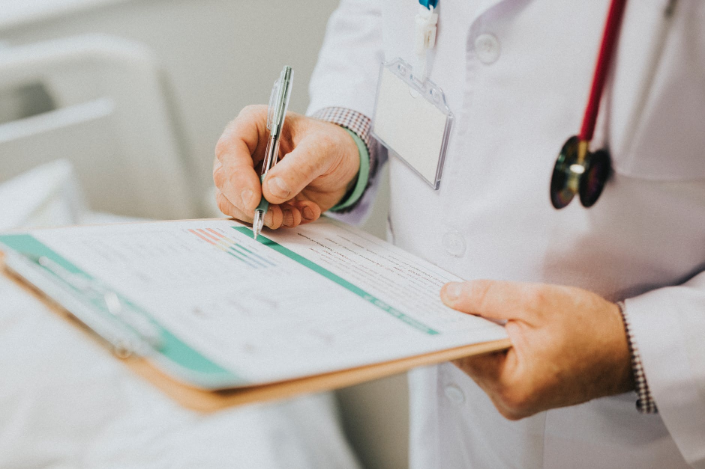

 Understanding what each patient needs is the key to successful recovery, and it is impossible to know what they need without having them examined by doctors or physicians. Their diagnose is a vital aspect that may be required by the rehabilitation center to know what methods work best for them. In some cases of mild drug abuse, patients do not need residential treatments, which means that patients can proceed to leave the rehabilitation center after a series of procedures. Of course, strict supervision from parents or relatives may be needed as a prudent act. When the symptoms of drug abuse have reached a lethal point, they need to stay in the treatment center for a specified period.


 Many food organizations are busy conducting their research concerning this crucial ingredient is known as carrageenan. But so far, most of the information obtained concerning this ingredient is that it has the chances of influencing the development of microbial communities in the digestive system. In other words, carrageenan can quickly lead to improved immune responses and enhanced gut health. Also, for those individuals who like drinking alcohol, foods that contain carrageenan are the best because they can protect your intestinal lining from mixing with alcohol.
 The carrageenan is known to have many properties, and also they have an antioxidant. The lambda carrageenan is safe and it the most commonly used type of carrageenan because of its unique features that will not form a gel. Also, it is advisable to use the lambda carrageenan because it gives more support on your digestive system and it can be dissolved using cold water.