Mental health is a crucial aspect of overall well-being at any age, but it becomes even more vital as we grow older. As our loved ones enter their golden years, it’s essential to understand the mental health issues that may arise and learn how to support them through these challenges. Houston assisted living communities provide a safe and supportive environment for seniors with mental health issues. In this post, we’ll discuss common mental health disorders affecting seniors, debunk some misconceptions, and provide tips for managing stress and finding resources for treatment.
Common Mental Health Disorders in Seniors
1. Depression
Depression is a common mental health issue among seniors, affecting about 6 million Americans aged 65 and older. It can be challenging to identify because its symptoms often mimic those of other age-related conditions or are dismissed as “normal” aging. Some common signs of depression in seniors include:
- Persistent sadness or feelings of hopelessness
- Loss of interest in hobbies and activities
- Changes in appetite or weight
- Sleep disturbances
- Irritability or agitation
- Fatigue or lack of energy
2. Anxiety
Anxiety disorders are also prevalent among older adults, with generalized anxiety disorder (GAD) being the most common form. Symptoms of anxiety can include:
- Excessive worry or fear
- Restlessness or feeling on edge
- Difficulty concentrating
- Irritability
- Muscle tension
- Sleep disturbances
3. Bipolar Disorder
Though bipolar disorder is typically diagnosed earlier in life, it can still affect older adults. This condition causes extreme mood swings between depressive lows and manic highs. Signs to watch for include:
- Drastic changes in mood, energy, or activity levels
- Feelings of euphoria followed by deep sadness
- Racing thoughts or rapid speech
- Impulsivity or engaging in risky behaviors
- Insomnia or excessive sleep
Common Misconceptions

Many people mistakenly believe that mental health issues are a normal part of aging. While it’s true that some age-related changes can contribute to these conditions, they are not an inevitable part of growing older. It’s essential to recognize and address mental health concerns in seniors, as untreated disorders can lead to a decline in physical health and quality of life.
Tips for Supporting Loved Ones
- Encourage open conversations: Foster an environment where your loved ones feel comfortable discussing their thoughts and feelings without judgment. This will help them feel more at ease talking about difficult subjects related to mental health.
- Educate yourself: Learn about the signs and symptoms of common mental health disorders so that you can identify potential issues early and encourage your loved one to seek help if needed.
- Promote healthy habits: Encourage your loved ones to maintain a balanced diet, get regular exercise, and engage in activities they enjoy. These habits can help improve overall well-being and reduce stress levels.
- Offer support: Be there for your loved one, whether it’s lending an ear or accompanying them to appointments. Your support and understanding can make a significant difference in their mental health journey.
Managing Stress and Finding Resources for Treatment
Practical advice for managing stress in seniors includes:
- Practicing relaxation techniques such as deep breathing, meditation, or yoga
- Engaging in hobbies and social activities to stay connected with friends and family
- Establishing a consistent sleep schedule
- Seeking professional help when needed
In Conclusion
If you suspect that your loved one may be struggling with a mental health issue, encourage them to consult their healthcare provider. They can provide guidance on available treatment options and resources, including therapy, support groups, or medication.
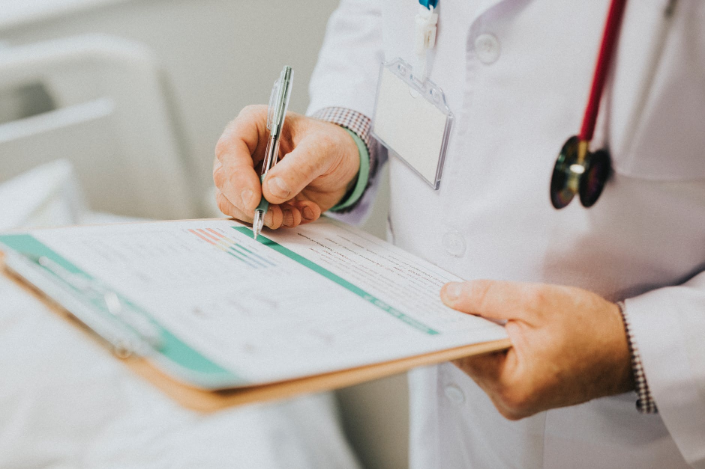

 Understanding what each patient needs is the key to successful recovery, and it is impossible to know what they need without having them examined by doctors or physicians. Their diagnose is a vital aspect that may be required by the rehabilitation center to know what methods work best for them. In some cases of mild drug abuse, patients do not need residential treatments, which means that patients can proceed to leave the rehabilitation center after a series of procedures. Of course, strict supervision from parents or relatives may be needed as a prudent act. When the symptoms of drug abuse have reached a lethal point, they need to stay in the treatment center for a specified period.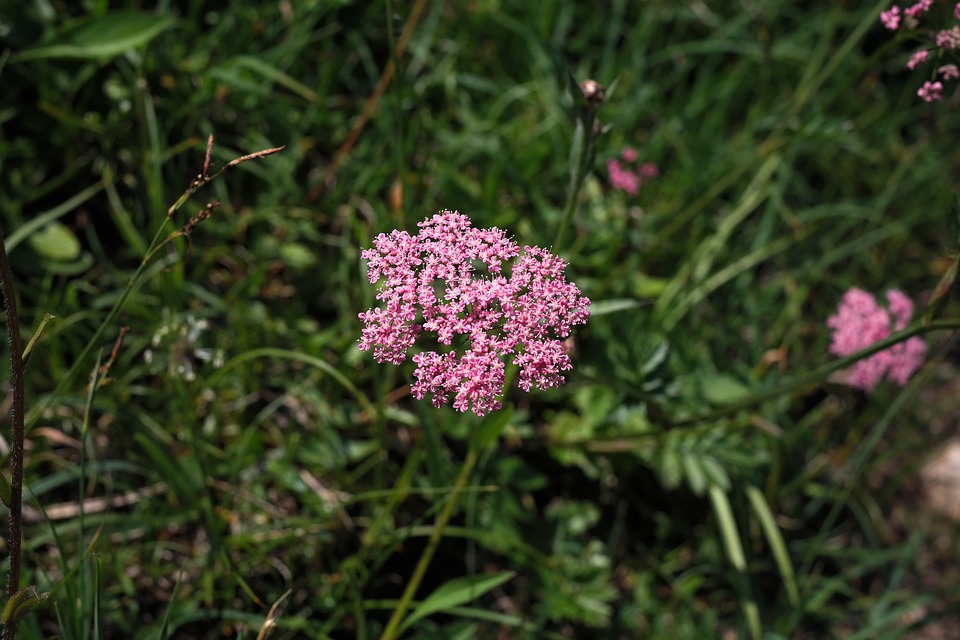
 Many of the various kinds of kratom’s effects are classified into three categories. The groups are slow, moderate and fast. The strains are mainly determined by the place of origin or country’s origin of the strain. For example, Bali strains are usually slow, Maeng Da strains are fast, and meanwhile Indonesian strains are generally moderate. The color of the leaf’s vein also determines the level of strain. For a red vein, the strain is slow, green vein the strain is moderate and lastly the white vein the strain is fast.
 The qualities of Kratom available in the market usually vary. The majority of them do not give out the perfect results one may be aiming for. The best types of kratom are which their veins and stems are removed before they are blended.