CED Health Platform Health Wearing Face Mask is the New Normal

Wearing Face Mask is the New Normal

COVID-19 is spread when a person talks to another person, produces a saliva droplet containing the COVID-19 virus and then inhales the droplets. When the person inhales the droplets, they can spread to the other person’s body through contact with the infected person’s saliva or saliva. The transmission of COVID-19 can occur through close contact, including with family members and health workers.

waiting open eatNevertheless, adequate hygiene measures are essential to protect oneself and others from the virus, for which there is said to be no cure yet. Hygiene measures recommended to the general public include the wearing of face masks, gloves, and protective clothing in the community. As restaurants and shops begin to reopen, customers are often required to wear personal masks, which is why if you are from Canada, owning a washable mask is essential.

Prevention is Better than Cure

distance 2m signIf physical distances of more than 2 meters from each other are not possible, the protocol should be followed, for example, no more than 1 meter from a person who has had contact with the infected person and no longer than 3 meters. There are additional health measures that should be taken seriously to reduce the spread of COVID-19. People in the community must wear masks to cover their noses and mouths. These are generally used to protect against infections during the cold and flu season, and to protect against pollution in the event of illness. Wearing masks is recommended in public places such as schools, hospitals, public transport, and public gatherings.

app contact tracingContact Tracing

A viral video from Japan gives an idea of how easily the infection spreads. Public broadcaster NHK examined how the germs spread from one restaurant to another during the cold and flu season in Tokyo. Now that these facilities are back in operation, restaurants and bars are likely to have a higher incidence of COVID-19 infections than before the influenza outbreak.

Simulation of Virus Spread Through UV Lights

The transmission of the virus is stimulated by starting with an invincible, bright color intended as a substitute for the coronavirus. Guests behave expectantly when they enter the room, reach for utensils, take turns at the gas station, check their phones, and conduct informal conversations. After 30 minutes of eating, a black light is switched on, indicating how far the color has gone. This leads to a prolonged interaction between the guests, which is followed by a brief warning to stay at home if necessary. The virus can spread quickly from one room to the next, even if there is a lack of proper hygiene.

Related Post

Mindful Eating: How Awareness Can Transform Your Weight Loss JourneyMindful Eating: How Awareness Can Transform Your Weight Loss Journey

In today’s fast-paced world, eating has become something we do almost on autopilot. We often find ourselves munching while distracted by screens, rushing through meals, or grabbing snacks to soothe stress. But what if eating could be a more intentional experience? Enter mindful eating, a practice that encourages a deeper connection with our food, body, and overall health. Mindful eating isn’t about restrictive diets or obsessing over calories. Instead, it’s about being present in the moment, paying attention to what, how, and why we eat. According to the Banana Drops Website, the simple shift in awareness can have a profound impact on your weight loss journey. Let’s dive into how mindful eating can help you shed pounds while fostering a healthier relationship with food.

What Is Mindful Eating?

Mindful eating is rooted in mindfulness, the practice of bringing full attention to your experiences, thoughts, and emotions in the present moment. When applied to eating, it means savoring each bite, noticing the flavors, textures, and smells of your food, and paying attention to your body’s hunger and fullness signals. Unlike diet plans that tell you what to eat and what to avoid, mindful eating encourages you to listen to your body’s natural cues and make conscious choices that nourish both your body and mind.

The Science Behind Mindful Eating and Weight Loss

Research has shown that mindful eating can be an effective tool for weight loss. Here’s how it works:

  • Increased awareness of hunger and fullness: By eating mindfully, you become more attuned to your body’s hunger signals. This helps you avoid overeating, as you’re more likely to stop when you feel full rather than eating out of habit or emotions.
  • Improved digestion: When you slow down and savor your meals, your body has more time to digest food properly. This can prevent bloating, indigestion, and other digestive issues, making you feel more comfortable and satisfied.
  • Reduced emotional eating: Mindful eating encourages you to identify the reasons behind your food choices. Are you eating because you’re physically hungry, or are you using food to cope with stress, boredom, or sadness? By recognizing emotional triggers, you can develop healthier ways to manage your emotions.

How to Practice Mindful Eating

Ready to give mindful eating a try? Here are some simple steps to incorporate this practice into your daily routine:

1. Slow Down Your Meals

The next time you eat, take a few deep breaths before you begin. Try to eat slowly, putting your fork down between bites. Chew your food thoroughly and savor each flavor and texture. By slowing down, you give your brain time to catch up with your stomach, making it easier to recognize when you’re full.

2. Engage Your Senses

Take a moment to notice the colors, smells, and presentation of your meal. Focus on the sensations of each bite – the crunch of vegetables, the sweetness of fruit, or the warmth of soup. Engaging your senses can make eating a more enjoyable experience and help you feel more satisfied with smaller portions.

3. Eat Without Distractions

Put away your phone, turn off the TV, and create a peaceful environment for eating. When you’re distracted, it’s easy to overeat without even realizing it. By focusing solely on your food, you can fully experience the meal and better tune into your body’s hunger and fullness cues.

4. Check in With Your Body

Throughout your meal, pause to check in with yourself. Are you still hungry, or are you eating out of habit? Stop eating when you feel satisfied, not stuffed. Remember, you can always eat more later if you’re still hungry.

5. Understand Emotional Triggers

If you find yourself reaching for a snack when you’re not physically hungry, take a moment to reflect on your emotions. Are you stressed, bored, or anxious? Try to address the underlying feeling without using food. Activities like taking a walk, journaling, or practicing deep breathing can help you manage emotions more effectively.

Benefits of Mindful Eating for Weight Loss

Mindful eating offers several benefits beyond weight loss. It helps you cultivate a healthier relationship with food, allowing you to enjoy meals without guilt or restriction. Some additional benefits include:

  • Reduced cravings: Mindful eaters are less likely to experience uncontrollable cravings, as they’re more in tune with their body’s needs.
  • Better portion control: By eating slowly and mindfully, you’re more likely to stop when you’re satisfied, which naturally leads to consuming fewer calories.
  • Improved mood: When you make conscious, healthy choices, you feel better both physically and mentally. This can boost your confidence and motivation on your weight loss journey.
  • Long-term success: Unlike fad diets, mindful eating promotes sustainable, lifelong habits that support both weight loss and overall well-being.

In Conclusion

Mindful eating isn’t a quick fix for weight loss, but it is a sustainable and empowering approach to food. By paying attention to your body’s needs, you can enjoy your meals, break free from emotional eating, and reach your weight loss goals in a more balanced and enjoyable way.

heart

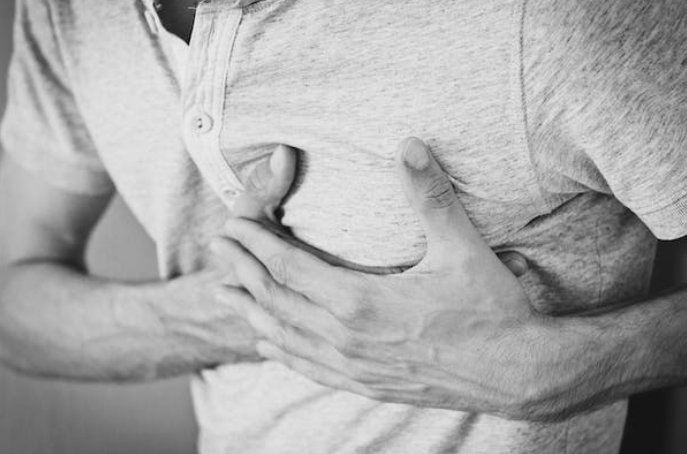
Signs and Symptoms of a Heart Problem or DiseaseSigns and Symptoms of a Heart Problem or Disease

Your heart is the most important organ in your body. It pumps blood to all body parts, delivering oxygen and nutrients that keep you alive. But sometimes, things can go wrong with your heart. Heart disease is a leading cause of death worldwide, but it doesn’t have to be that way. Knowing the signs and symptoms of a heart problem or disease could save your life or the life of someone you love. If you think that you have a heart problem, getting checked using the best stethoscope for doctors is important. Here, we will discuss the signs and symptoms of a heart problem or disease.

Chest Pain

pain

Chest pain is one of the most common heart problem or disease symptoms. It can range from mild discomfort to severe agony and may come on suddenly or gradually. If you experience chest pain, seeking medical attention right away is important. There are many different causes of chest pain, some more serious than others. One possible cause is angina, which occurs when the heart muscle doesn’t get enough blood flow and oxygen. This can be a sign of underlying coronary artery disease. Other potential causes of chest pain include:

  • Aortic dissection (a tear in the inner layer of the major blood vessel that leads out of your heart).
  • Pericarditis (inflammation around the heart).
  • Pulmonary embolism (a blockage in one or more arteries in your lungs).

Shortness of Breath

Shortness of breath is a common symptom of various heart problems and diseases. It can happen suddenly or gradually over time. People with heart issues may feel out of breath even during light physical activities like walking or climbing stairs. One possible cause of shortness of breath is fluid buildup in the lungs due to congestive heart failure. This happens when the heart cannot pump blood effectively, causing fluids to accumulate in different parts of the body, including the lungs. Another condition that can lead to shortness of breath is coronary artery disease (CAD). When plaque builds up in the arteries that supply blood to the heart muscle, it can narrow them and reduce blood flow. This reduced blood flow may limit oxygen delivery to your body’s tissues and organs, leading to feelings of breathlessness.

Extreme Fatigue

fatigueExtreme fatigue is a common symptom of many health conditions, including heart problems or diseases. It occurs when your body feels tired despite having enough sleep or rest. If you frequently experience extreme fatigue, it’s important to seek medical attention immediately. One cause of extreme fatigue could be anemia, which is a condition that occurs when your body doesn’t have enough red blood cells to carry oxygen throughout the body. This lack of oxygen can lead to feelings of exhaustion and weakness. Another condition that may cause extreme fatigue is sleep apnea, which affects the quality and quantity of your sleep by causing breathing interruptions at night. As a result, you may feel excessively sleepy and tired during the day.

Knowing the signs and symptoms of a heart problem or disease can be lifesaving. Chest pain is not always an indicator of a heart attack, but any discomfort in the chest area should not be ignored. Shortness of breath can indicate several health issues, including heart problems. Extreme fatigue may seem like nothing more than being tired, but it could also signal a problem with your heart. By paying attention to warning signs and taking preventative measures against cardiovascular disease, we can all actively ensure our overall health and well-being for years to come.

flat tummy

Top Natural Ingredients That Help You Burn Fat Without Extreme DietingTop Natural Ingredients That Help You Burn Fat Without Extreme Dieting

Losing fat doesn’t always require punishing diets or exhausting restrictions. While calorie control and exercise matter, certain natural ingredients can support your body’s fat-burning process. They don’t replace lifestyle changes, but they can enhance what you’re already doing. The goal is to work with your body, not against it. Some ingredients have natural compounds that can help boost metabolism, curb cravings, and improve energy balance without putting stress on your system.

Green Tea Extract and Its Thermogenic Power

green tea

This is one of the most researched natural fat-burning ingredients. It’s rich in catechins, particularly EGCG, which plays a key role in boosting thermogenesis, the body’s process of burning calories to produce heat. Combined with moderate caffeine content, it offers a subtle yet sustained energy lift. Many studies link green tea extract to improved fat oxidation, especially during light to moderate activity. The compound works best when paired with a balanced diet and consistent movement, but it doesn’t require extreme restrictions to be effective.

Cayenne Pepper and Capsaicin’s Metabolic Kick

Capsaicin, the active component in cayenne pepper, can help increase calorie burning through a temporary rise in body temperature. This mild thermogenic effect encourages the body to use more energy, even at rest. Some research also suggests it helps reduce appetite and food intake later in the day. It’s not a miracle cure, but it does support fat metabolism when used consistently. Incorporating cayenne extract or capsaicin-based supplements into your routine is a practical way to give your metabolism a nudge without relying on cutting out entire food groups.

Caffeine From Natural Sources for Energy and Focus

coffee beans

Caffeine, when sourced naturally from coffee beans, yerba mate, or guarana, can stimulate the nervous system and improve fat utilization. It increases alertness, promotes physical activity, and encourages the body to tap into stored fat for energy. Used responsibly, it enhances workouts and reduces fatigue. The key is to find the right amount that boosts performance without causing jitters or sleep issues. Caffeine isn’t about weight loss shortcuts; it’s about supporting focus and endurance in a way that helps maintain a healthier routine overall.

L-Carnitine and Its Role in Fat Transportation

This plays a direct role in the fat-burning process at the cellular level. While your body produces it naturally, supplements may offer added support during high-activity phases or weight-loss efforts. It works best in combination with physical movement, especially cardio-based exercise. L-Carnitine doesn’t cause fat loss on its own, but it helps the body use fat more efficiently once it’s mobilized, offering support without requiring extreme dietary changes.

Garcinia Cambogia and Appetite Regulation

Derived from a tropical fruit, garcinia cambogia contains hydroxycitric acid (HCA), which has been studied for its potential to reduce appetite and block fat production. Some research suggests it increases serotonin levels, which may help reduce emotional eating. While not a fast-acting ingredient, it can support better portion control and mood stability. This indirect effect on fat loss is subtle but helpful, especially for people struggling with cravings. It offers a unique approach that complements natural fat burning by reducing the tendency to overeat.

Soluble Fiber and Gut Health Support

fiber

Soluble fiber, found in ingredients like glucomannan and psyllium husk, helps control hunger and improve digestion. When taken with water, it expands in the stomach and slows digestion, helping you feel full longer. This natural effect reduces the temptation to snack or overeat between meals. Better digestion also supports metabolism by keeping nutrient absorption efficient. It’s a steady, reliable way to assist in fat loss, not through cutting calories aggressively, but by helping your body self-regulate more effectively.

The Right Blend for Your Goals

Every metabolism is different. What works for one person may not have the same effect on another. That’s why combining several of these natural ingredients often yields better results than relying on just one. A supplement that blends metabolism boosters with appetite regulators and energy enhancers can provide more balanced support.

You don’t need to punish your body with severe diets to support fat loss. Natural ingredients like cayenne, and soluble fiber offer targeted benefits that align with your body’s own systems. They help burn fat, reduce cravings, and support energy, all without the need for extreme restriction. With the right combination and a consistent routine, you can pursue sustainable fat loss in a way that feels natural. Supporting your metabolism doesn’t have to be complicated. It just needs to be intentional.