CED Health Platform Health Reasons to Consult a Health Expert When You Experience Back Discomfort

Reasons to Consult a Health Expert When You Experience Back Discomfort

Back discomfort can range from mild aches to severe pain, affecting your daily activities and overall quality of life. While occasional discomfort might be relieved using tools, persistent or worsening back pain should not be ignored. When you experience back discomfort, consulting a health expert is essential for identifying the underlying causes and receiving appropriate treatment. This article discusses why seeking professional medical advice is crucial when dealing with back discomfort.

Accurate Diagnosis

doctor

Back discomfort can stem from various sources, such as muscle strain, herniated discs, spinal issues, or underlying medical conditions. A health expert, such as a doctor or orthopedic specialist, can accurately diagnose the specific cause of your back discomfort through a thorough examination, medical history review, and, if necessary, imaging tests.

Some causes of back discomfort could be indicative of serious medical conditions. For instance, back pain might be a symptom of kidney infections, spinal infections, or certain cancers. Consulting a health expert helps rule out these potentially serious conditions and ensures that necessary interventions are initiated promptly.

Personalized Treatment Plans

Each individual’s back discomfort might have unique underlying factors. Health experts can develop personalized treatment plans tailored to your specific needs. This might involve physical therapy, medication, lifestyle modifications, and, in some cases, surgical interventions. A personalized approach increases the likelihood of effective pain relief and recovery.

Prevention of Further Complications

Ignoring persistent back discomfort can lead to worsening symptoms and potential complications. For instance, untreated back pain might lead to altered posture, muscle imbalances, and decreased mobility. Early medical intervention helps prevent these complications and promotes better overall spinal health.

Professional Advice on Lifestyle Changes

Health experts can guide lifestyle modifications that alleviate discomfort and improve overall well-being. This might include recommendations for proper posture, ergonomic adjustments at work or home, and exercises that strengthen the back muscles and promote flexibility.

Pain Management Strategies

Experiencing chronic back discomfort can be physically and emotionally taxing. Health experts can offer effective pain management strategies that range from over-the-counter pain medications to advanced pain-relief techniques. These strategies can help you manage pain while undergoing treatment or during the recovery process.

Monitored Progress

progress

Recovery from back discomfort is often a gradual process. Regular follow-up appointments with health experts allow them to monitor your progress, make necessary adjustments to the treatment plan, and address any concerns or setbacks that may arise.

Psychological Well-Being

Chronic back discomfort can affect your mental health, leading to anxiety, depression, or frustration. Health experts understand the psychological impact of pain and can guide managing emotional well-being alongside physical recovery.

When you experience back discomfort, seeking advice from a qualified health expert is vital for accurate diagnosis, personalized treatment plans, and the prevention of potential complications. Consult a health professional when you experience persistent or worsening back discomfort – your well-being depends on it.

Related Post

warts

What are the symptoms of genital warts for men?What are the symptoms of genital warts for men?

In many cases the warts of the genitals are tiny deformed growths on the skin that develop in human genitalia. Both males and females can catch these gray skin lesions, but more commonly the latter. They are an extremely contagious STD (Sexually Transmitted Disease). The virus that causes these warts is termed as the human papillomavirus, popularly abbreviated as HPV.

For men, the genital parts that risk catching this infection are the inner thighs, the shaft of the penis, anus, urethra and scrotum. Warts can also appear on the mouth parts after direct contact during oral sex. Research has shown that roughly 1% of sexually active men in the US have genital warts at a certain point in time.

Signs and symptoms of venereal warts

venereal wartsThe warts are irritating and itchy on the skin surface. However, genital warts are rarely painful. The infected may not feel any pain but will experience slight irritations of the bumps that arise.

These warts vary in shape and size depending on the location of the infection. On the anal tract, the projections are finger-like while on the penis they are multiples of small lumps. They may be flesh-colored, pink or yellow but the colors may vary according to the duration of infection.

The HPV warts do not burst open as they contain no fluid in them. Care should be taken to differentiate genital warts from the likes of genital herpes whose blisters are sore and fluid-filled before rupturing.

Pain during intercourse may be as a result of the friction between the lesions.

Treatment of HPV warts

In many instances, the warts if left to go untreated may disappear with time, increase in size or number. There is no proven cure for HPV, just procedures to ameliorate the condition.

Some patients apply mildly concentrated acetic acid(vinegar) to the warts which turn them to white in color. This is the whitening procedure. This is because they are easily visible. This process is scientifically called colposcopy and is performed by gynecologists at a more advanced level with more tests for proper verification.

Benefits of using whitening

male specialistSo many benefits come with the using of whitening in the treatment of HPV warts. Some of them include washing away of the mucus that covers the warts. With continued use of the acetic acid on the warts, they disappear over time. Whitening is a simple way to treat the HPV warts at home.

Consistency is key, but precautions should be taken to avoid further warts. Patients should see a specialist in case the condition worsens. The genital area is high in sensitivity and care should be taken not to mess the balance.

exercise

How to Build a Sustainable Fitness Routine for Better HealthHow to Build a Sustainable Fitness Routine for Better Health

Building a sustainable fitness routine isn’t about forcing yourself into intense workouts or chasing quick results—it’s about creating a lifestyle that supports your health for the long haul. Many people struggle to stay consistent because they start too fast, choose activities they don’t enjoy, or rely on fleeting motivation. A sustainable routine is different. It’s flexible, enjoyable, and designed to adapt to your life. When you focus on consistency rather than perfection, fitness becomes something you mainta

HGH is getting popular

in effortlessly, not a cycle of starting and stopping.

Start With Realistic, Long-Term Goals

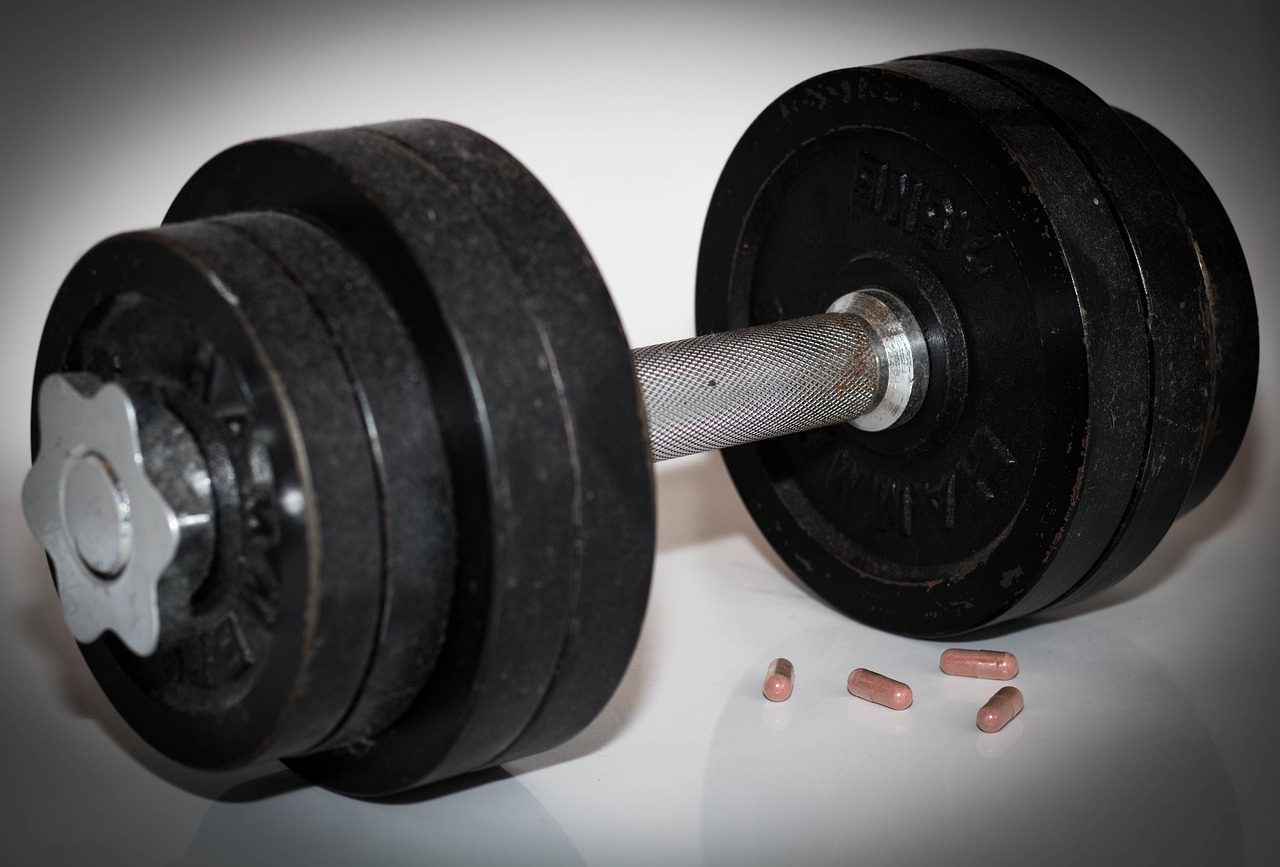
exercise Setting achievable goals is the foundation of any sustainable routine. Instead of aiming to work out every single day or lose a large amount of weight quickly, begin with goals that match your current lifestyle and fitness level. This approach is more encouraging and keeps you motivated over time. Many people get distracted by trends—for example, conversations around how HGH is getting popular as a shortcut to improved performance—but real, lasting progress comes from steady effort and consistent habits. Sustainable fitness is about what you can maintain, not what produces the fastest short-term results.

Choose Activities You Genuinely Enjoy

One of the biggest reasons people abandon their fitness routines is that they simply don’t enjoy the exercises they’ve chosen. If running feels like a chore, try dancing, swimming, hiking, or strength training instead. When you look forward to your workouts, consistency becomes much easier. Enjoyment also naturally encourages you to try new things and stay active in ways that feel energizing rather than draining. The best routine is one that fits who you are—not one you feel obligated to follow.

Build Gradually to Avoid Burnout

burnout

Think of fitness as a marathon, not a sprint. If you launch into intense workouts too quickly, you risk fatigue, injury, and a loss of motivation. Start slowly, increasing duration and intensity as your body adapts. Even adding just a few minutes of activity to your day can make a meaningful difference. Gradual progression ensures your routine feels manageable and prevents that overwhelmed feeling that causes many people to give up. Sustainable improvement happens one small step at a time.

Make Consistency Easier With Habit Stacking

Consistency becomes more natural when exercise is connected to something you already do every day. This strategy, known as habit stacking, allows you to attach a new habit—like a morning stretch or a short walk—to an existing routine such as brewing coffee or finishing lunch. Creating these associations helps anchor your fitness habits into your daily life, making them feel less like extra tasks and more like an integrated part of your schedule. Small, automated habits create powerful long-term results.

Support Your Fitness With Rest and Recovery

man A sustainable routine isn’t only about movement; it also depends on proper rest. Recovery gives your body time to repair muscles, reduce stress, and prevent burnout. Incorporating rest days, prioritizing sleep, and practicing gentle activities like stretching or yoga can make your workouts more effective and enjoyable. When your body feels supported, you’re more likely to stay motivated and maintain your routine over time. Rest is not a break from your goals—it’s an essential part of achieving them.

Building a sustainable fitness routine for better health is about creating a balanced and realistic approach that enhances your life instead of overwhelming it. When you set meaningful goals, choose activities you enjoy, progress slowly, build supportive habits, and prioritize recovery, you create a foundation for long-term success. With consistency and patience, fitness becomes something you can maintain for years—not just weeks—leading to improved health, confidence, and overall well-being.

bottle

Metabolism Supplements Explained: What’s Helpful and What’s Just Non-Sense Hype?Metabolism Supplements Explained: What’s Helpful and What’s Just Non-Sense Hype?

Metabolism talk can feel like a street market: loud, shiny, and full of “special price” promises. If you’re reading labels and trying to stay sane, start with the basics and keep your scam radar on high alert. One quick way to cut through the noise is to check the ingredient list first. Burn Peak Ingredients are important to read before making a purchase.

Metabolism Basics Before the Pills

salad Supplements can help, but they rarely do the heavy lifting. Your daily habits still drive the bus. Your metabolism is not a tiny furnace you can “turn on” with one magic capsule. It’s your body’s total energy use, and it shifts with muscle mass, sleep, stress, and food intake. If you’re under-eating all week and then “rewarding” yourself all weekend, your progress gets whiplash. A supplement won’t fix that math. Also, many people blame “slow metabolism” when the real culprit is routine drift. Fewer steps. More snacks that don’t register as snacks. Later bedtimes, earlier alarms, and coffee as a food group. Get those foundations steady first, or any product is just glitter on a messy desk.

Hype That Burns Money, Not Fat

“Detox” pills are usually bathroom drama in a bottle. They make the scale dip because you lose water, not body fat. Then you drink, eat, and the number climbs back up, like a yo-yo with a grudge. If a label screams “melt fat fast,” your wallet should start sweating. Watch out for proprietary blends with mystery dosages. It’s the supplement version of “trust me, bro.” If you can’t see how much of each ingredient you’re getting, you can’t judge if it’s meaningful. Some products also stack stimulants like a shaky tower, then call it “advanced thermogenesis.” Your heart and your sleep may disagree.

Stuff That Can Help a Bit

coffee Caffeine is the classic example, and yes, it can nudge energy and output in workouts. That can translate into more movement and slightly higher calorie burn. Green tea extract and capsaicin sometimes show small effects too, but they’re not fireworks. Think “gentle tailwind,” not “rocket booster.” Protein and fiber deserve more respect than most “fat burner” blends. They support fullness, help control cravings, and make dieting less like wrestling a greased pig. Creatine doesn’t “boost metabolism,” but it can improve training performance and lean mass over time. More muscle can raise daily energy use, slowly, like compound interest.

How to Judge a Formula Like a Skeptic

Start with transparency. You want clear ingredient names and clear amounts, not foggy blends. Next, scan for ingredients with at least plausible support, then check if the doses look realistic for daily use. If the label reads like a chemistry exam, pause and research before you swallow. Then ask the practical questions your future self will thank you for. Will this mess with your sleep, appetite, or mood? Can you take it consistently, or will it end up in the “someday” drawer? If you’re sensitive to stimulants, pick a gentler option and avoid doubling up with strong coffee. And if you’re pregnant, nursing, on medication, or managing a condition, talk to a clinician first, because “natural” can still bite.