
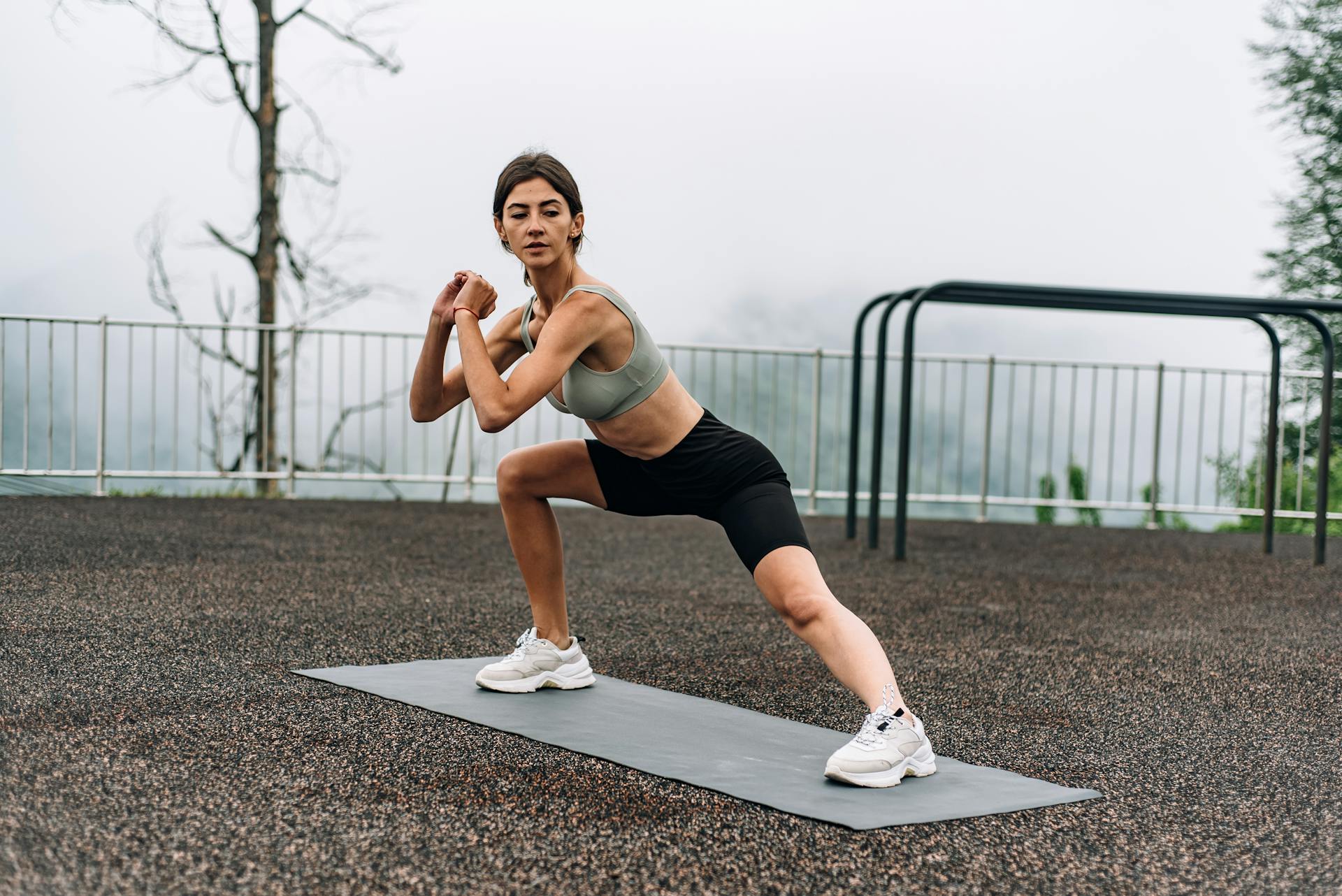
Building a sustainable fitness routine isn’t about forcing yourself into intense workouts or chasing quick results—it’s about creating a lifestyle that supports your health for the long haul. Many people struggle to stay consistent because they start too fast, choose activities they don’t enjoy, or rely on fleeting motivation. A sustainable routine is different. It’s flexible, enjoyable, and designed to adapt to your life. When you focus on consistency rather than perfection, fitness becomes something you mainta
| HGH is getting popular |
in effortlessly, not a cycle of starting and stopping.
Start With Realistic, Long-Term Goals
 Setting achievable goals is the foundation of any sustainable routine. Instead of aiming to work out every single day or lose a large amount of weight quickly, begin with goals that match your current lifestyle and fitness level. This approach is more encouraging and keeps you motivated over time. Many people get distracted by trends—for example, conversations around how HGH is getting popular as a shortcut to improved performance—but real, lasting progress comes from steady effort and consistent habits. Sustainable fitness is about what you can maintain, not what produces the fastest short-term results.
Choose Activities You Genuinely Enjoy
One of the biggest reasons people abandon their fitness routines is that they simply don’t enjoy the exercises they’ve chosen. If running feels like a chore, try dancing, swimming, hiking, or strength training instead. When you look forward to your workouts, consistency becomes much easier. Enjoyment also naturally encourages you to try new things and stay active in ways that feel energizing rather than draining. The best routine is one that fits who you are—not one you feel obligated to follow.
Build Gradually to Avoid Burnout

Think of fitness as a marathon, not a sprint. If you launch into intense workouts too quickly, you risk fatigue, injury, and a loss of motivation. Start slowly, increasing duration and intensity as your body adapts. Even adding just a few minutes of activity to your day can make a meaningful difference. Gradual progression ensures your routine feels manageable and prevents that overwhelmed feeling that causes many people to give up. Sustainable improvement happens one small step at a time.
Make Consistency Easier With Habit Stacking
Consistency becomes more natural when exercise is connected to something you already do every day. This strategy, known as habit stacking, allows you to attach a new habit—like a morning stretch or a short walk—to an existing routine such as brewing coffee or finishing lunch. Creating these associations helps anchor your fitness habits into your daily life, making them feel less like extra tasks and more like an integrated part of your schedule. Small, automated habits create powerful long-term results.
Support Your Fitness With Rest and Recovery
 A sustainable routine isn’t only about movement; it also depends on proper rest. Recovery gives your body time to repair muscles, reduce stress, and prevent burnout. Incorporating rest days, prioritizing sleep, and practicing gentle activities like stretching or yoga can make your workouts more effective and enjoyable. When your body feels supported, you’re more likely to stay motivated and maintain your routine over time. Rest is not a break from your goals—it’s an essential part of achieving them.
Building a sustainable fitness routine for better health is about creating a balanced and realistic approach that enhances your life instead of overwhelming it. When you set meaningful goals, choose activities you enjoy, progress slowly, build supportive habits, and prioritize recovery, you create a foundation for long-term success. With consistency and patience, fitness becomes something you can maintain for years—not just weeks—leading to improved health, confidence, and overall well-being.