
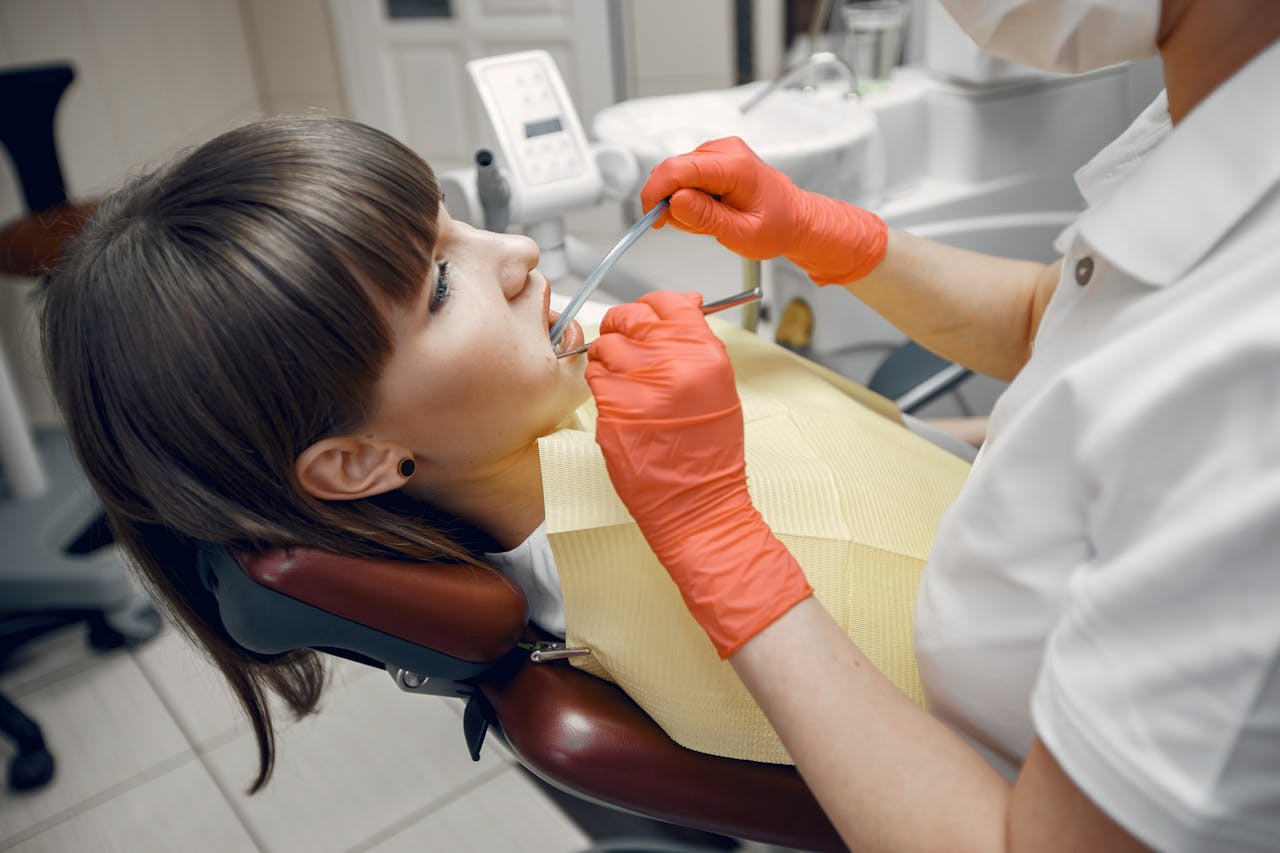
As a dentist, you know that many patients experience anxiety and fear when it comes to visiting the dentist. It can arrive from various reasons, such as past negative experiences, total fear of pain, or even just the everyday sounds and smells associated with a dental office. Dental anxiety affects many individuals, leading to nervousness and fear when visiting the dentist. As a dentist, understanding how to ease these anxieties can make a significant difference in patient experience and overall oral health outcomes. In fact, once they’ve searched “the best dentist near me” on Google and found you, your patients expect you to do something about their anxiety being in your clinic. Creating a relaxing environment for anxious dental patients can help ease their fears and promote a more positive dental experience. Here is a guide to help you create such an atmosphere.
Communication Techniques
Effective communication is key when dealing with anxious dental patients. Start by creating a welcoming and non-judgmental atmosphere in your practice. Greet patients warmly, be open to listen closely to their concerns, and acknowledge their feelings of anxiety. Use simple language to explain procedures, ensuring they understand what to expect during their visit. But what’s important is to have an open dialogue with them, asking questions about their comfort levels and addressing any worries they may have. Let them express themselves freely without feeling rushed or dismissed. Provide reassurance throughout the appointment, offering words of encouragement and support.
Environment and Office Setup
Creating a relaxing, no-pressure environment in the dental office can significantly help alleviate dental anxiety for nervous patients. Start by designing a welcoming reception area with comfortable seating, soothing colors, and soft lighting. This initial impression sets a good tone for the patient’s visit and can help reduce stress levels. Consider incorporating elements like calming music or nature sounds to promote relaxation. Keep treatment rooms organized, clutter-free, and equipped with ambient lighting to create a tranquil atmosphere. Implementing aromatherapy with scents like lavender or chamomile can also have a calming effect on anxious patients. Additionally, ensuring that staff members are friendly, compassionate, and well-trained in dealing with nervous patients contributes to creating a supportive and understanding environment throughout the entire dental experience.

Technological Innovations
Did you know that dentists can now utilize virtual reality headsets to immerse their patients in calming environments during procedures? This distraction technique helps divert attention away from the treatment, reducing feelings of stress and fear. Moreover, advancements in sedation dentistry allow for precise dosing of medication tailored to each patient’s needs. Inhalation sedation with nitrous oxide, also known as laughing gas, is a popular choice as it induces relaxation without the need to put the patient to sleep. Additionally, tools like intraoral cameras provide real-time visuals that help patients understand their treatments better, fostering trust and confidence in the dentist’s expertise.
Psychological and Pharmacological Interventions
For patients with dental anxiety, psychological and pharmacological interventions can be valuable tools to help manage their fears. Psychologically, techniques like cognitive-behavioral therapy (CBT) can assist in changing negative thought patterns surrounding dental visits. This form of therapy aims to reframe anxious thoughts into more positive ones, promoting a sense of calmness and control.In some cases, dentists may recommend pharmacological interventions such as anti-anxiety medications or sedatives. These medications can help relax nervous patients during their dental procedures, making the experience more comfortable for them. It is crucial for dentists to assess each patient individually to determine the most appropriate intervention based on their level of anxiety and medical history. Taking these steps can not only improve the overall experience for anxious individuals but also encourage them to prioritize their oral health without fear or hesitation. Dentists play a vital role in supporting patients with dental anxiety, making it essential to provide a relaxing and fun atmosphere that fosters trust and relaxation.